



spannungsregelung für draht
/Modern metal processing demands unprecedented levels of precision, making an advanced AGC system (Automatic Gauge Control system) indispensable for temper and skin pass mill operations. These specialized rolling mills serve as the final arbiters of material quality, where even micron-level variations can significantly impact product performance. The implementation of a sophisticated automatic gauge control system transforms these critical finishing processes from art to exact science, ensuring consistent output that meets the most stringent industry specifications. At the heart of this transformation lies the AGC controller , a powerful computational unit that continuously monitors and adjusts rolling parameters in real-time. Unlike traditional mills relying on operator experience and periodic adjustments, modern systems with hydraulic automatic gauge control capabilities make instantaneous corrections that maintain perfect gauge consistency throughout production runs. This technological leap proves particularly valuable in temper and skin pass applications where material properties must be precisely tailored to specific end-use requirements while maintaining perfect surface characteristics. Unmatched Thickness Control Capabilities of AGC System Real-Time Adaptive Adjustment Technology The AGC system brings revolutionary thickness control to temper and skin pass mills through its dynamic response capabilities. Traditional mills struggle with gradual variations caused by roll thermal expansion, wear, and incoming material inconsistencies. A modern automatic gauge control system equipped with hydraulic automatic gauge control actuators compensates for these variables continuously, maintaining consistent roll gap pressure and strip reduction regardless of external factors. This results in product uniformity that manual systems simply cannot achieve. What sets apart high-performance AGC controller implementations is their ability to make these adjustments without disrupting the delicate surface finish imparted by skin pass operations. The system's sophisticated algorithms distinguish between necessary gauge corrections and surface quality requirements, ensuring that thickness adjustments never compromise the critical surface characteristics that temper mills are designed to create. This balance is particularly crucial when processing materials for automotive exposed panels or premium appliance finishes where both dimensional accuracy and surface perfection are non-negotiable. Integrated Tension and Gauge Management The relationship between strip tension and gauge control becomes especially critical in temper and skin pass applications. An advanced AGC system doesn't operate in isolation but rather as part of a comprehensive closed loop tension control strategy. The system's ability to precisely control tension while simultaneously managing thickness prevents common defects like edge waves or center buckles that can occur when these parameters aren't perfectly balanced. This integrated approach proves invaluable when processing sensitive materials that require specific elongation characteristics. The automatic gauge control system coordinates tension and reduction adjustments to achieve the exact mechanical properties required while maintaining perfect flatness. For temper mills producing high-strength alloys or specialty steels, this capability means consistently meeting both dimensional and mechanical property specifications without compromise. AGC System’ s Operational Advantages for Mill Operators Enhanced Process Stability and Reduced Variability The implementation of an AGC system in temper or skin pass mills delivers immediate improvements in process stability that translate directly to operational benefits. By eliminating the gauge variations that traditionally required frequent manual interventions, these systems allow for longer uninterrupted production runs. The AGC controller maintains optimal parameters continuously, adapting seamlessly to changes in material grade, width, or target specifications without the quality transitions characteristic of manual operations. This stability proves particularly valuable when processing materials that demand precise work hardening characteristics. The hydraulic automatic gauge control system ensures consistent deformation across the entire coil length, preventing the mechanical property variations that can affect downstream forming operations. For manufacturers producing materials for critical applications like automotive safety components or aerospace structures, this consistency becomes a competitive advantage in the marketplace. Yield Improvement and Quality Assurance Modern automatic gauge control system technology directly contributes to improved yield through several mechanisms. By maintaining tighter gauge tolerances, the system reduces the length of transitional material at coil ends. The enhanced process stability minimizes the occurrence of defects that traditionally required coil downgrading or scrapping. Perhaps most significantly, the system's precision allows operators to safely target the minimum acceptable thickness without fear of non-conforming product, optimizing material usage across production runs. The quality assurance benefits extend beyond simple thickness control. A properly configured AGC system enhances the consistency of surface finish, flatness, and mechanical properties - all critical quality parameters for temper and skin pass mill products. This comprehensive quality improvement reduces customer complaints and returns while enhancing the mill's reputation for reliability in delivering precision-finished products. Technological Features of Modern AGC Systems Advanced Hydraulic Control Architectures Contemporary hydraulic automatic gauge control systems represent the pinnacle of responsiveness and precision in mill adjustment technology. These systems combine high-performance servo valves with advanced fluid power systems capable of making adjustments at frequencies exceeding 50 Hz. This rapid response capability allows the AGC controller to compensate for disturbances that would be impossible to address through mechanical means alone, including high-frequency variations in incoming material properties. The hydraulic systems in modern AGC system implementations are designed specifically for the unique requirements of temper and skin pass mills. They provide the perfect balance between forceful adjustment capability and delicate control sensitivity needed for these finishing processes. Special attention is given to minimizing response hysteresis and maintaining positional accuracy even after extended periods of operation, ensuring consistent performance throughout maintenance cycles. Intelligent Control Algorithms The true power of a modern automatic gauge control system lies in its sophisticated control algorithms. These go far beyond simple proportional-integral-derivative (PID) control, incorporating model-based prediction, adaptive learning, and multi-variable optimization. The AGC controller continuously analyzes patterns in process behavior, using this information to anticipate and prevent deviations before they occur. These intelligent systems are particularly effective in temper mill applications where material response to rolling can vary significantly based on prior processing history. The controller learns from each coil processed, building a knowledge base that improves its performance over time. This adaptive capability proves invaluable when dealing with the varied incoming materials typical of temper mill operations, where hardness and deformation characteristics may change significantly from coil to coil. The Compelling Case for AGC Implementation The decision to equip your temper or skin pass mill with an advanced AGC system represents a strategic investment in quality, efficiency, and future competitiveness. These systems deliver immediate improvements in product consistency while providing the foundation for ongoing process optimization. From the precision of hydraulic automatic gauge control mechanisms to the intelligence of modern AGC controller algorithms, the technology offers capabilities that manual or semi-automatic systems simply cannot match. For mills processing materials where surface quality and mechanical properties are paramount, the automatic gauge control system becomes not just an advantage but a necessity. The system's ability to maintain perfect closed loop tension control while simultaneously delivering micron-level thickness accuracy addresses the core challenges of temper and skin pass operations. As customer expectations continue to rise and competition intensifies, implementing this technology may well prove to be the decisive factor in maintaining your mill's position at the forefront of precision metal processing.

We have successfully executed over 500
projects around the world,
many first-of-their-kind
research projects and products in China, including
We have successfully executed over 500
projects around the world,
many first-of-their-kind
research projects and products in China, including
-
2004
The 1st hydraulic AGC system for hot rolling of ribbon steel
-
2006
The 1st AFC system used for 1450mm skin pass mill
-
2009
The 1st 5-stand tandem line with 2-stand POR & Uncoiler for 650mm ribbon steel
-
2012
The 1st reversing mill for 1380mm strip
-
2016
The 1st soft-rolling system used in skin pass mill
-
2019
The 1st fully automated medium-width tandem cold rolling mill
-
2021
The 1st 5000KN Twin-stand double skin pass mill
-
2022
The 1st coupled pickling line & tandem cold mill with two modes - big roller & small roller
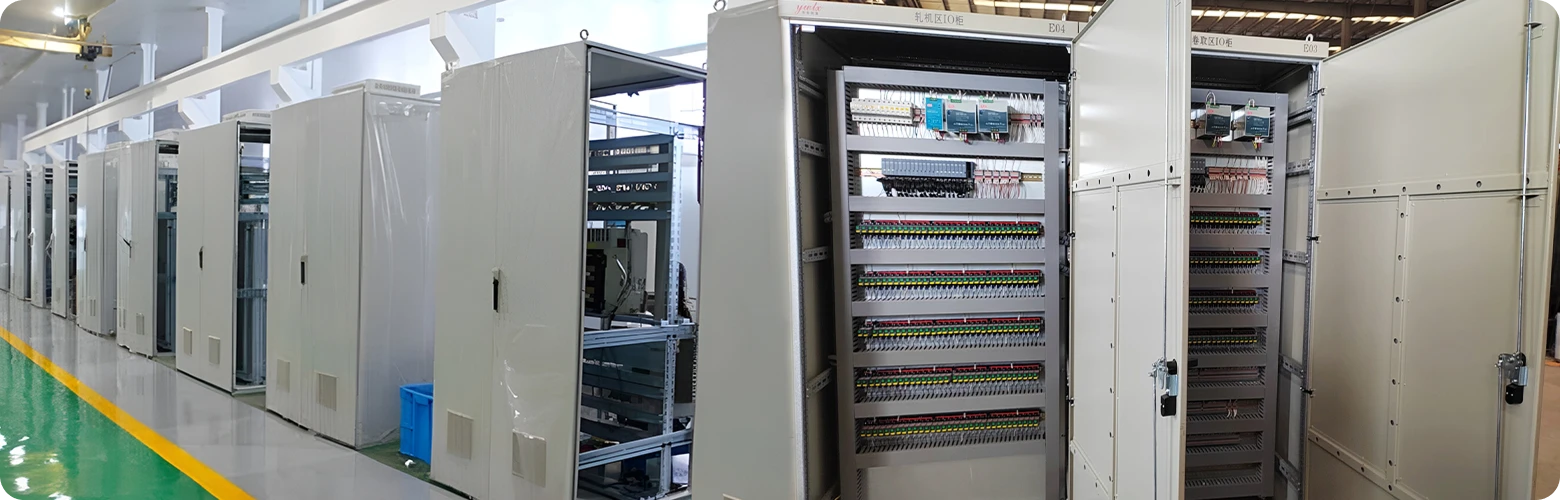
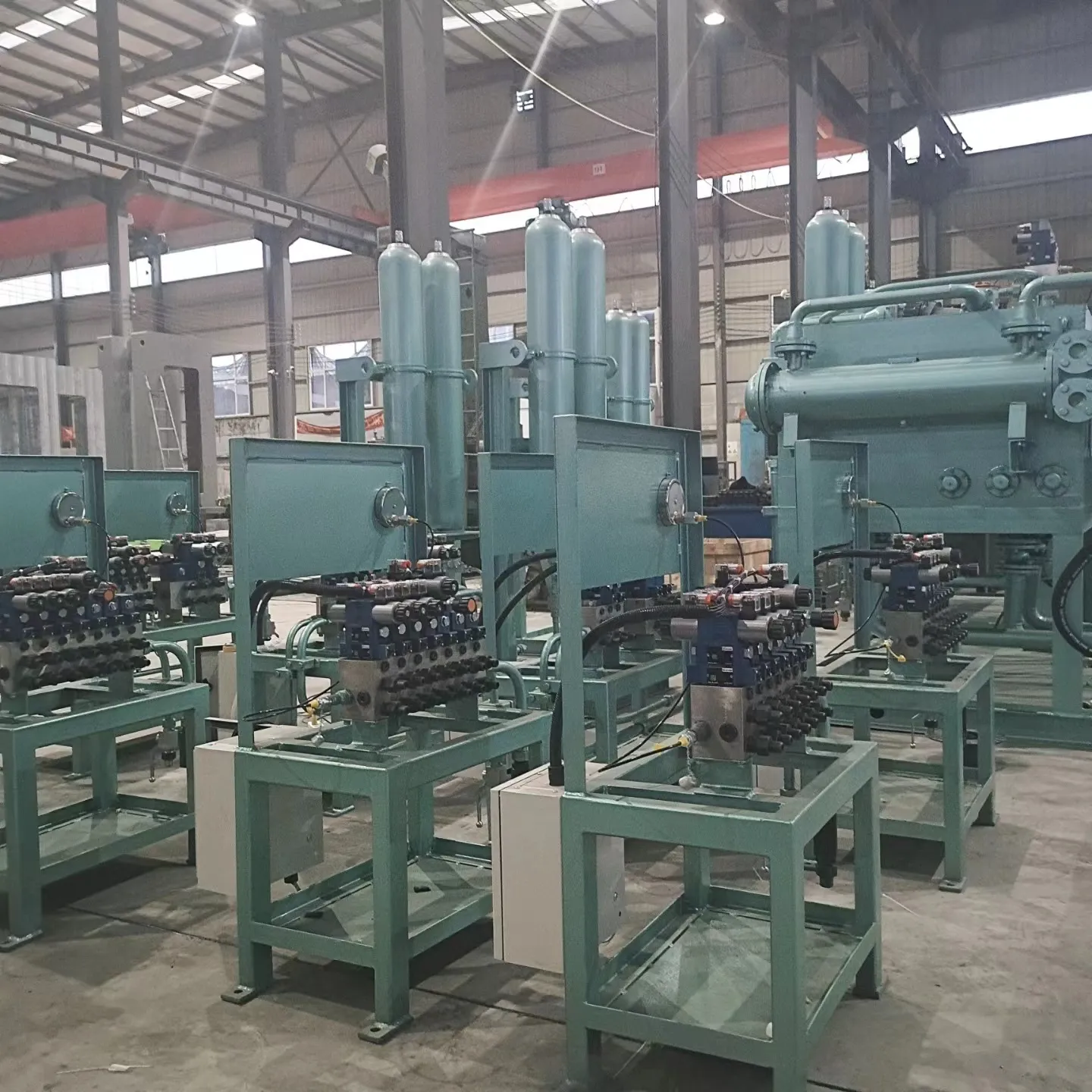
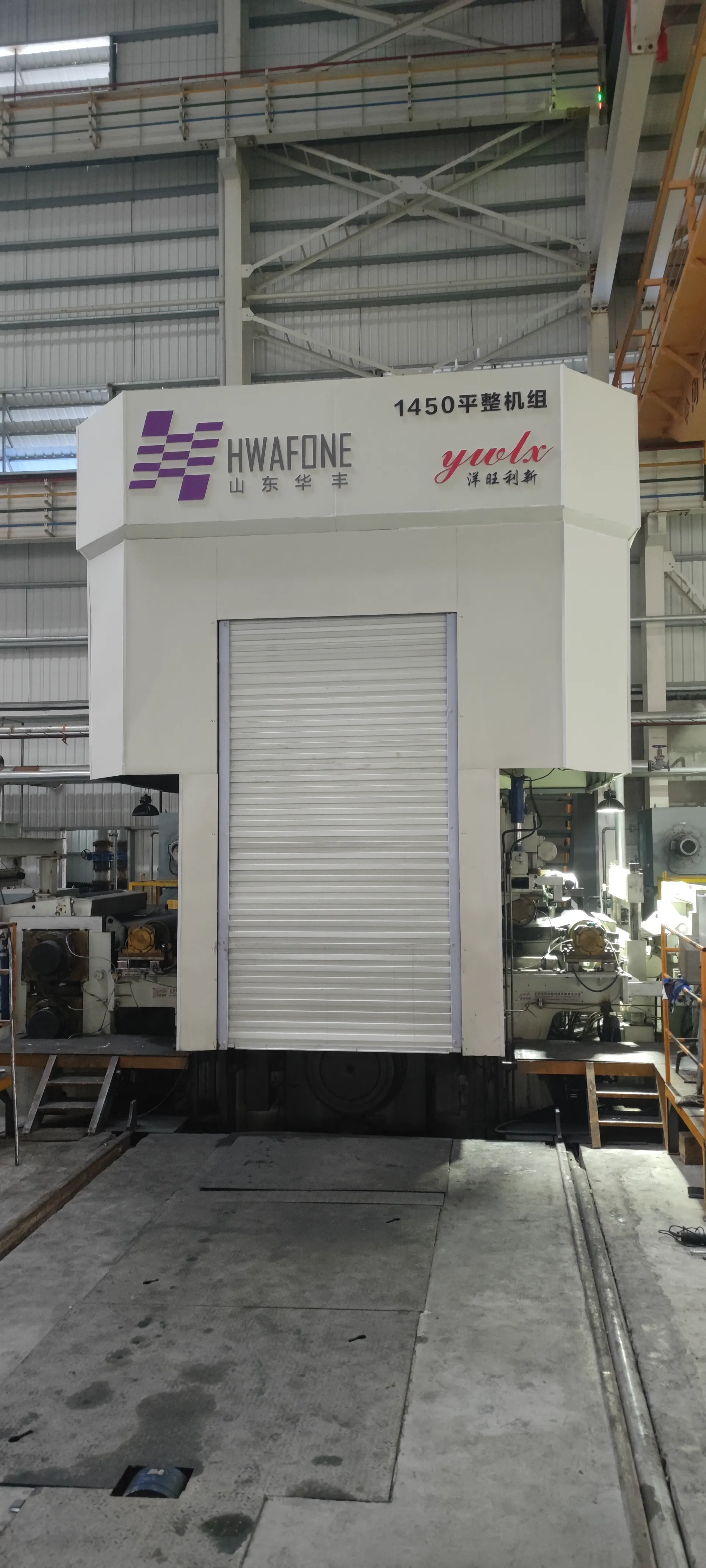

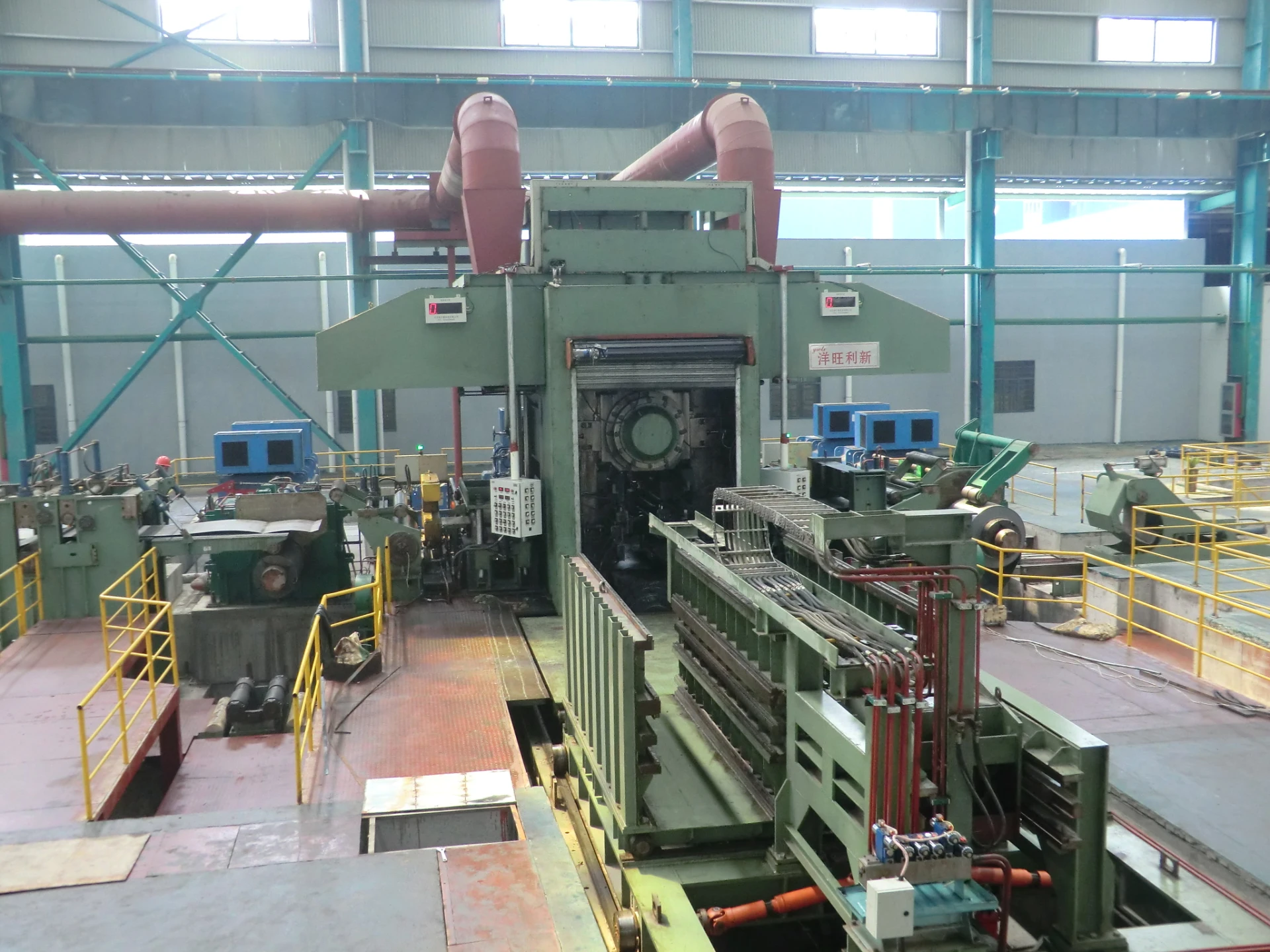

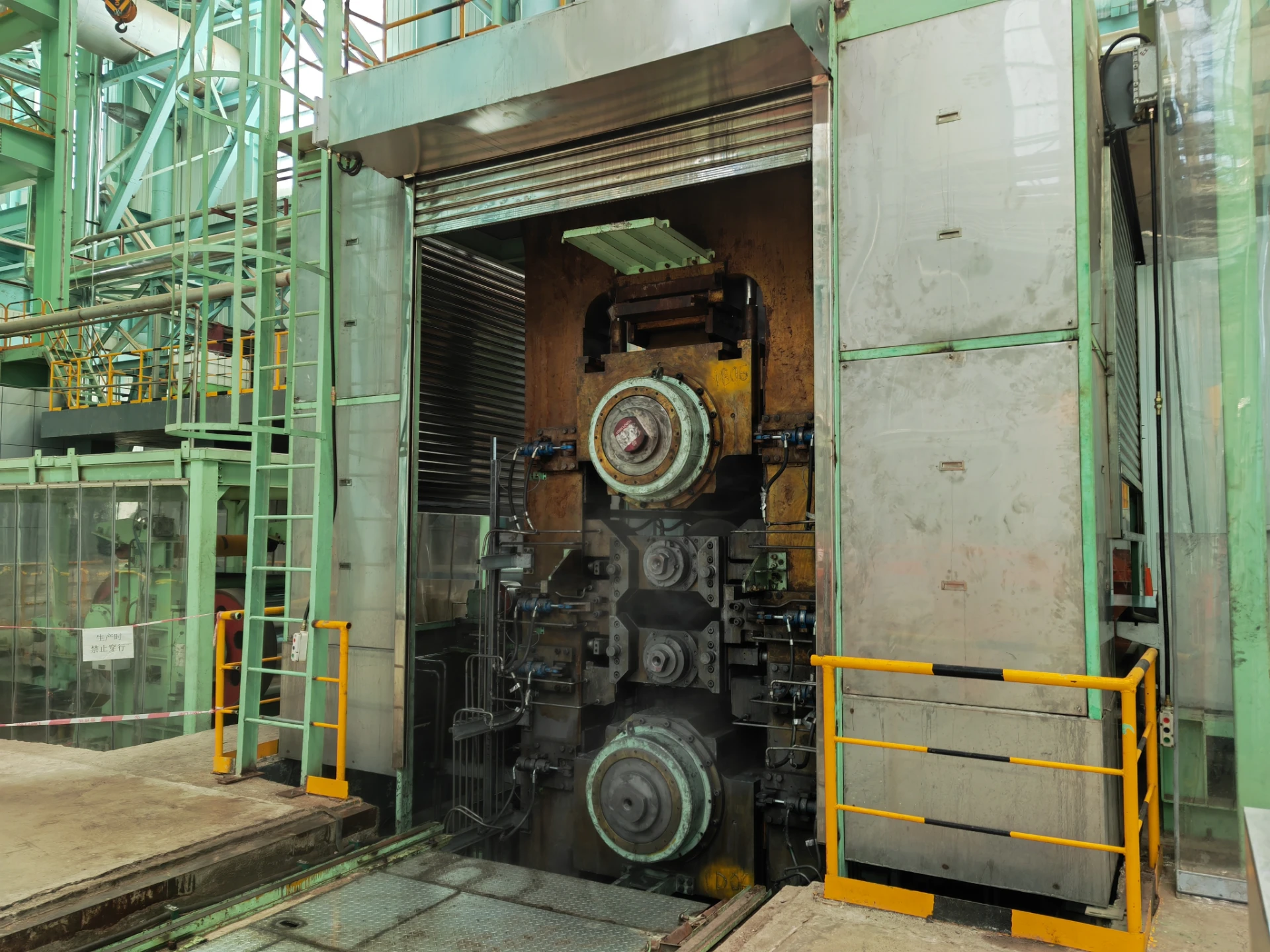
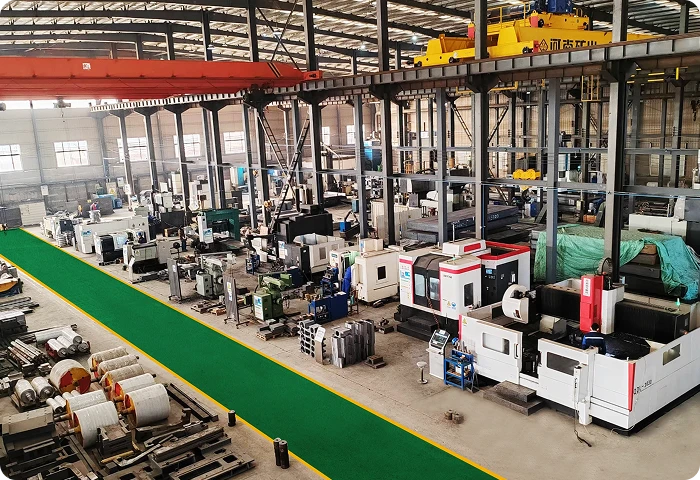
Yang Wang Li Xin operates a state-of-the-art facility over 66,000 square meters,and our manufacturing facility is fully equipped with high-tech machinery and high-capacity cranes. This enables us to handle large work pieces measuring 4.5m in width, 10m in length, and 1.5m in height, guaranteeing our capacity to produce 1800mm skin-pass mills and 1450mm rolling mills. The individual piece can weigh up to 100 tons.

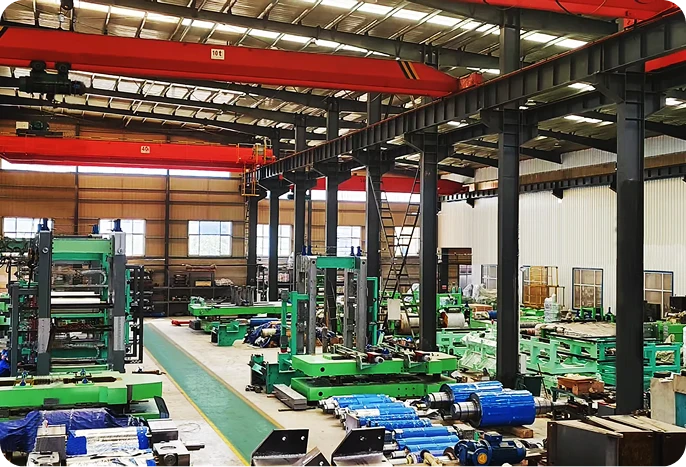

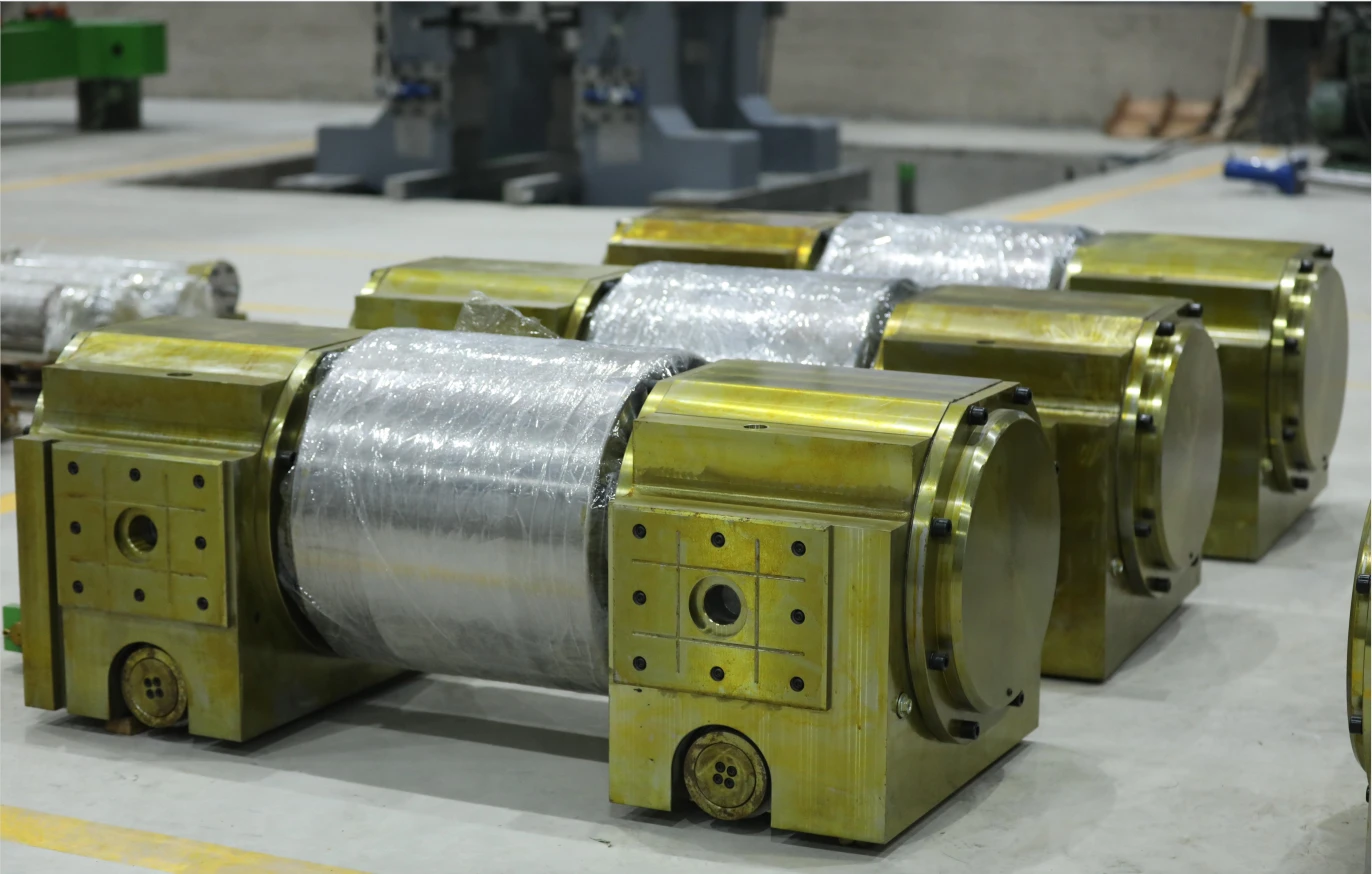
Quality is fundamental to the enterprise survival. We have established a comprehensive and meticulous quality management system and have successfully obtained ISO14000 certification. Starting from the design source, it supervises the entire production cycle, including design, procurement, processing, assembly, in-factory testing, installation, and online commissioning. The workshop is equipped with measuring tools like vernier calipers, spectrometers, hardness testers, and ultrasonic flaw detectors. They are used to check materials and control tolerances to ensure the final equipment meets or exceeds requirements. All products have a unique code, This enables the easy identification and traceability of the equipment components and ensures full control of quality.


-
 The Role of Temper Mill in Bright Annealing Line ApplicationsIn the steel and stainless steel manufacturing industry, the temper mill is a vital piece of equipment used to refine the mechanical properties and surface quality of metal strips. When integrated into a bright annealing line, the temper mill operation plays a critical role in ensuring the final product meets high standards of surface finish and dimensional accuracy. Bright annealing lines are des
 -
 bar millExploring the World of Bar Mills An Expert Guide to Understanding and Maximizing Results Bar mills are integral components of the manufacturing sector, especially in metal production, playing a pivotal role in shaping and preparing raw metal into usable forms. As the demand for precision and efficiency in manufacturing grows, understanding the functionality and optimization of bar mills becomes in
 -
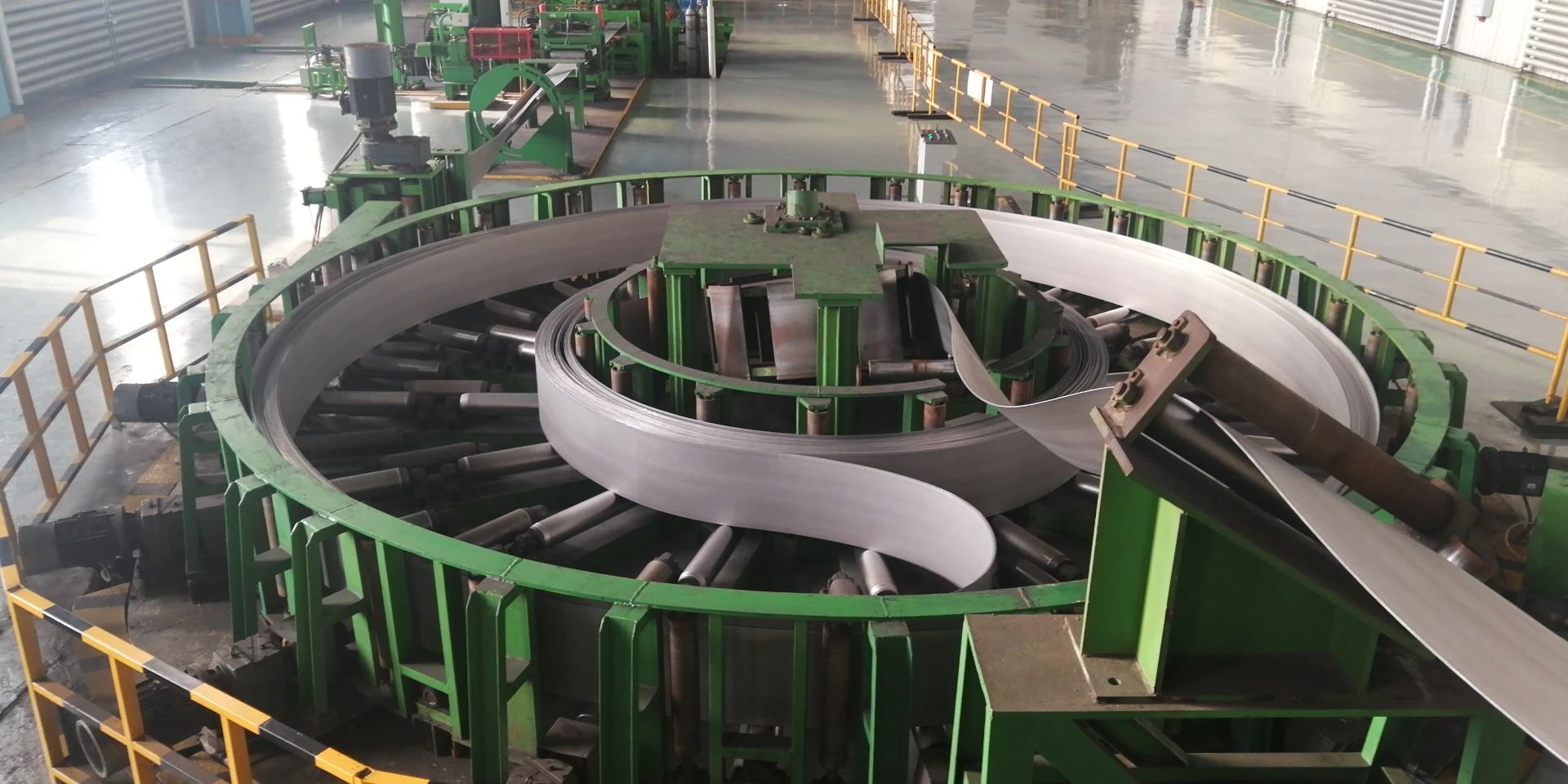 Cladding Rolling Mill-YWLX|Cold Rolling Technology&Environmental SustainabilityCladding Rolling Mill technology has emerged as a game-changer in modern manufacturing, offering unparalleled efficiency, environmental benefits, and material versatility. Developed by Beijing Yang Wang Li Xin Sci&Tech Co.,Ltd. (YWLX), this innovation addresses longstanding challenges in traditional cladding processes, such as low surface quality, high energy consumption, and costly production. Th


